

Chain Re-Action

Chain Re-Action is a hands-on team experience where teams discover that results don’t come from perfect plans, but from collaboration, adaptability, and working as one system. One goal. One system. One team. Break the chain, and everything stops.
What you'll do
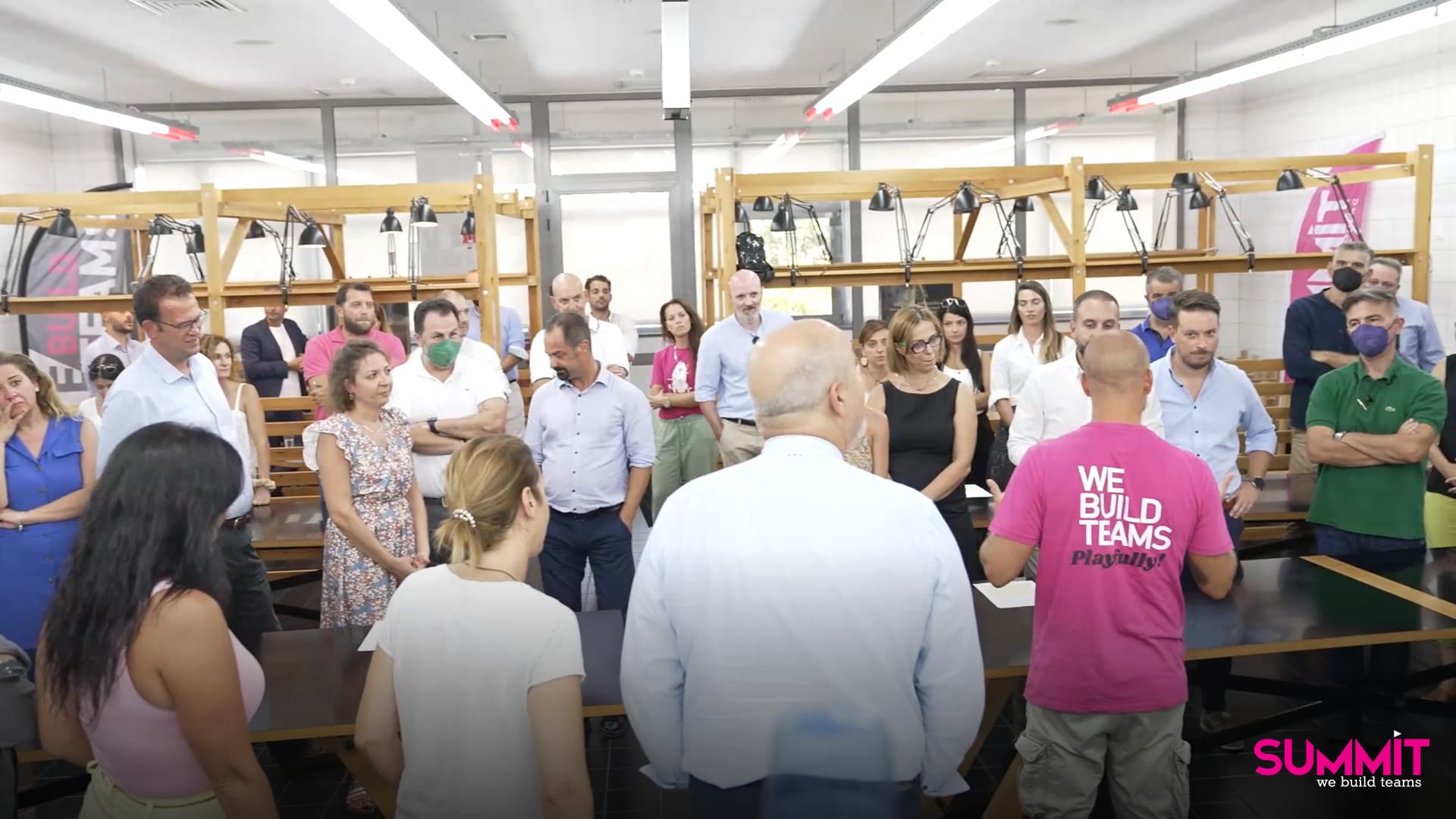
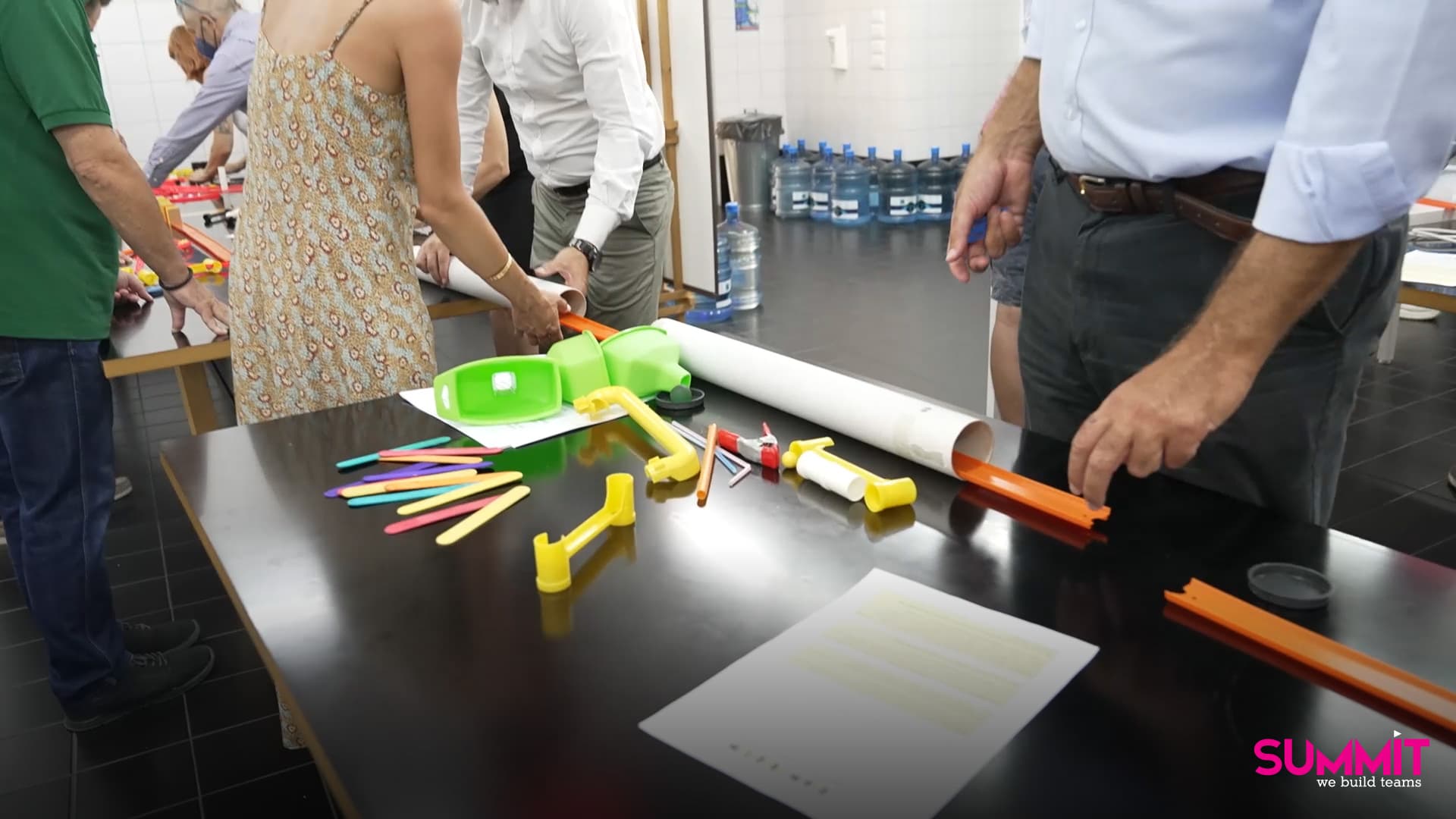
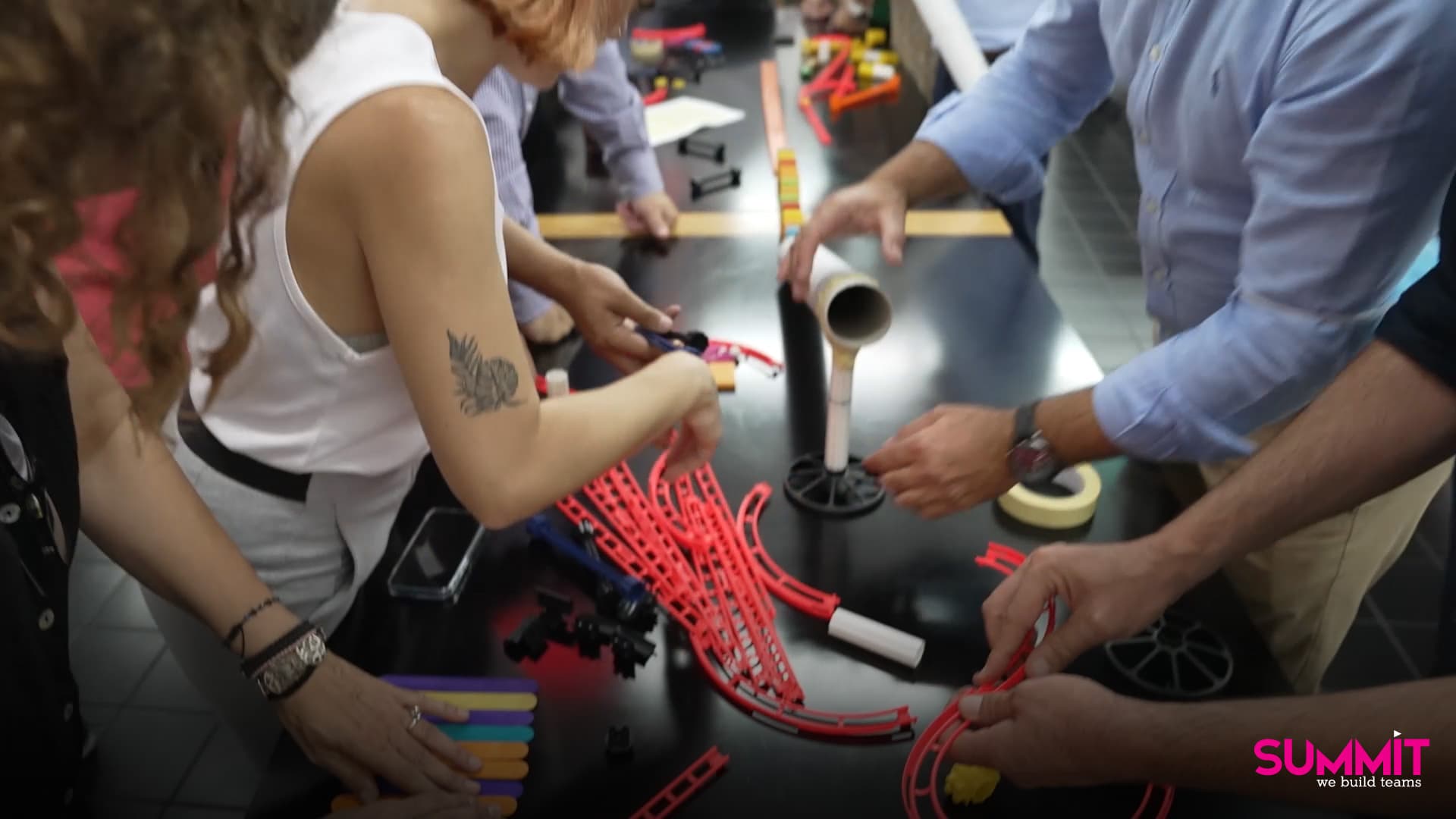
Chain Re-Action is a high-energy team-building experience where teams design and build a complex chain of actions using simple, everyday materials. The goal is to achieve a clear and simple outcome - such as turning on a lamp, activating a message, or releasing balloons - through an intentionally intricate process.
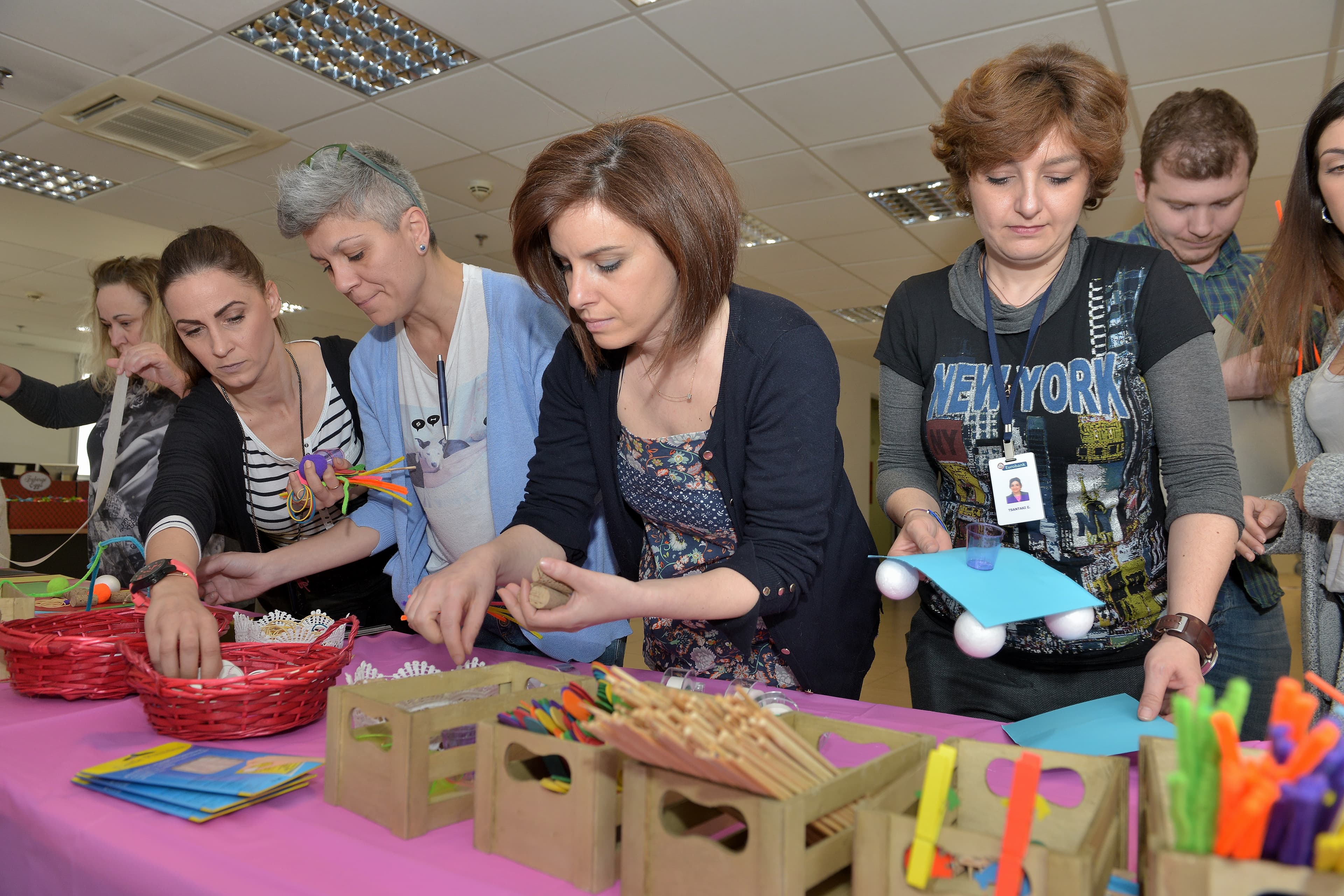
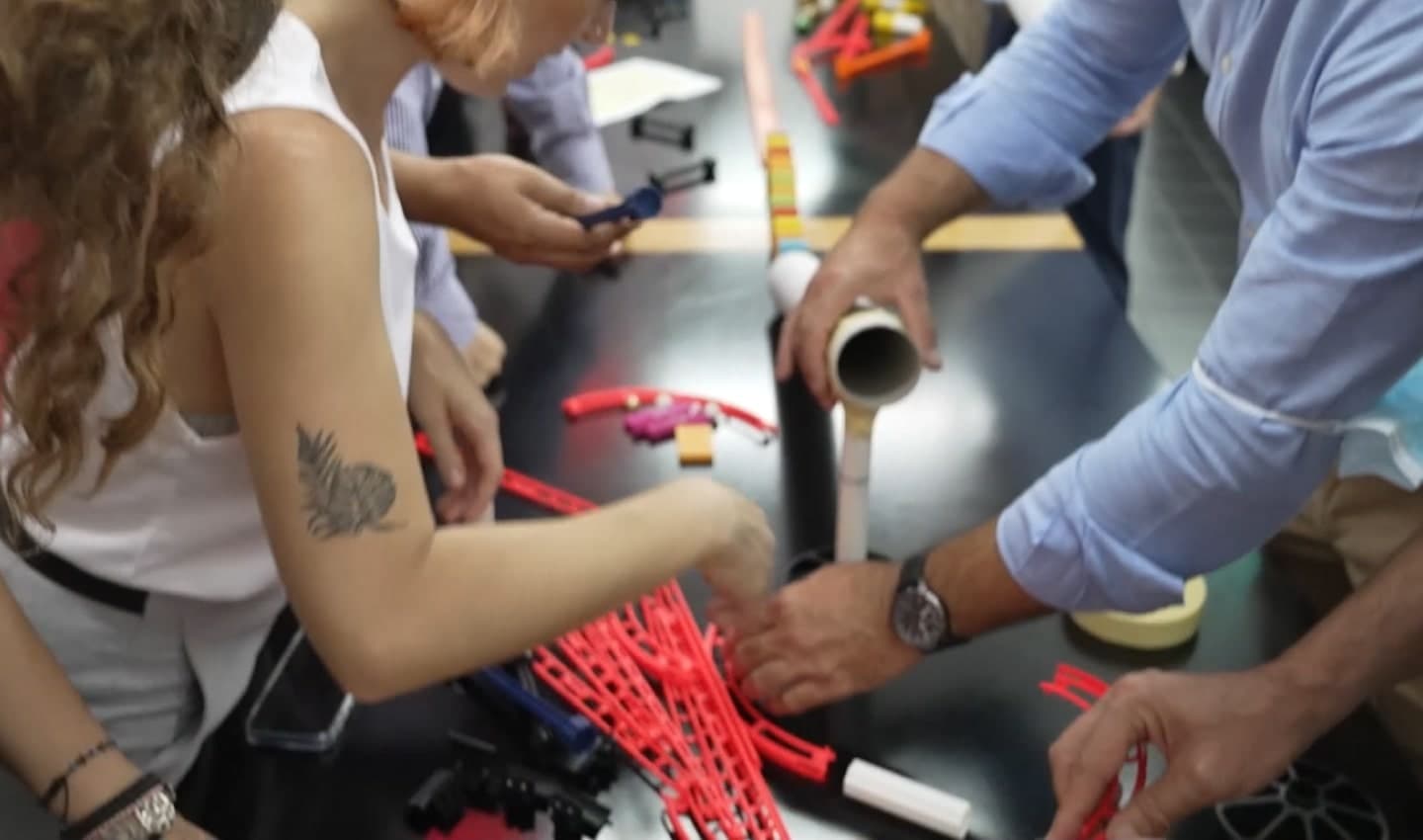
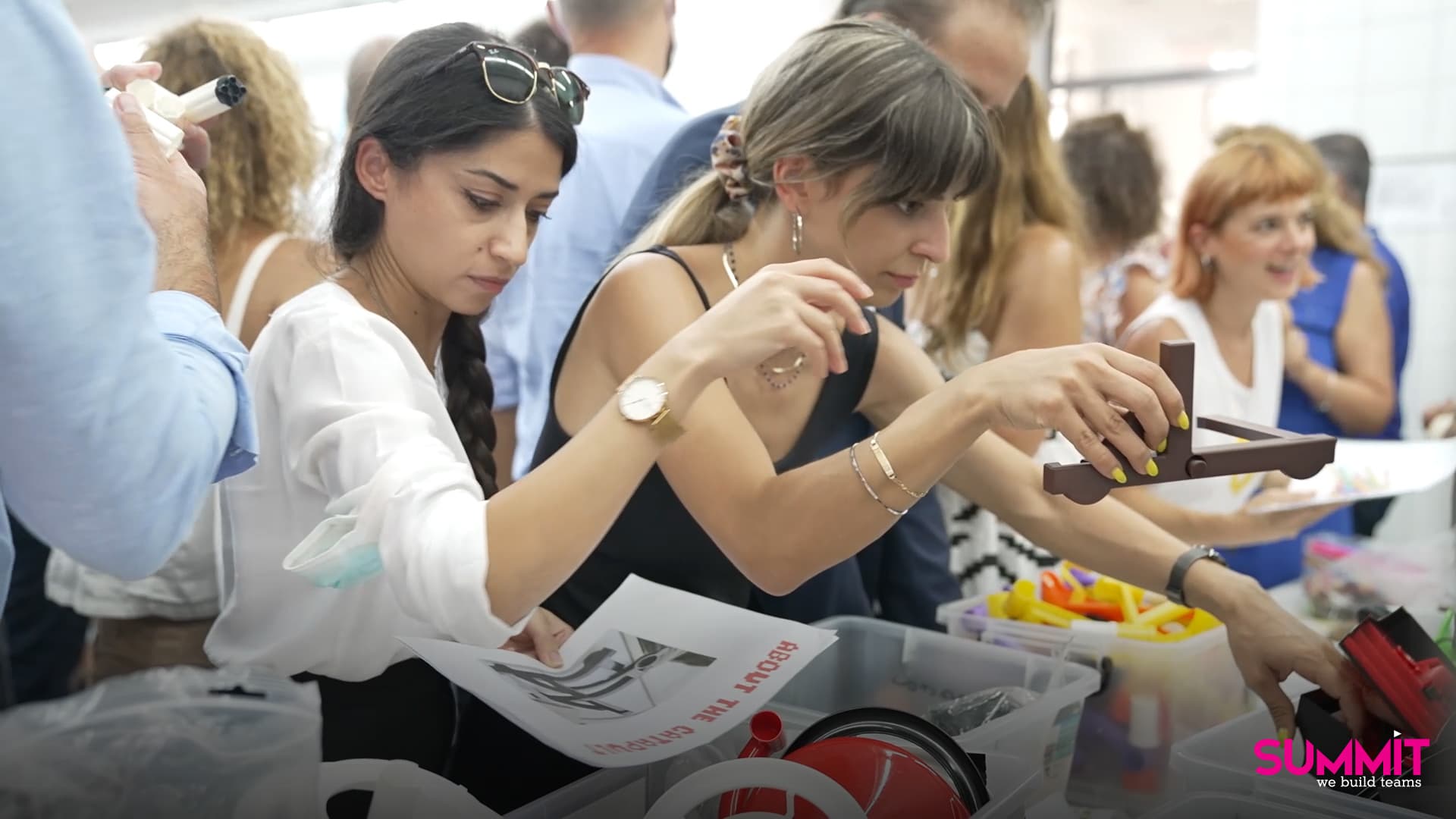
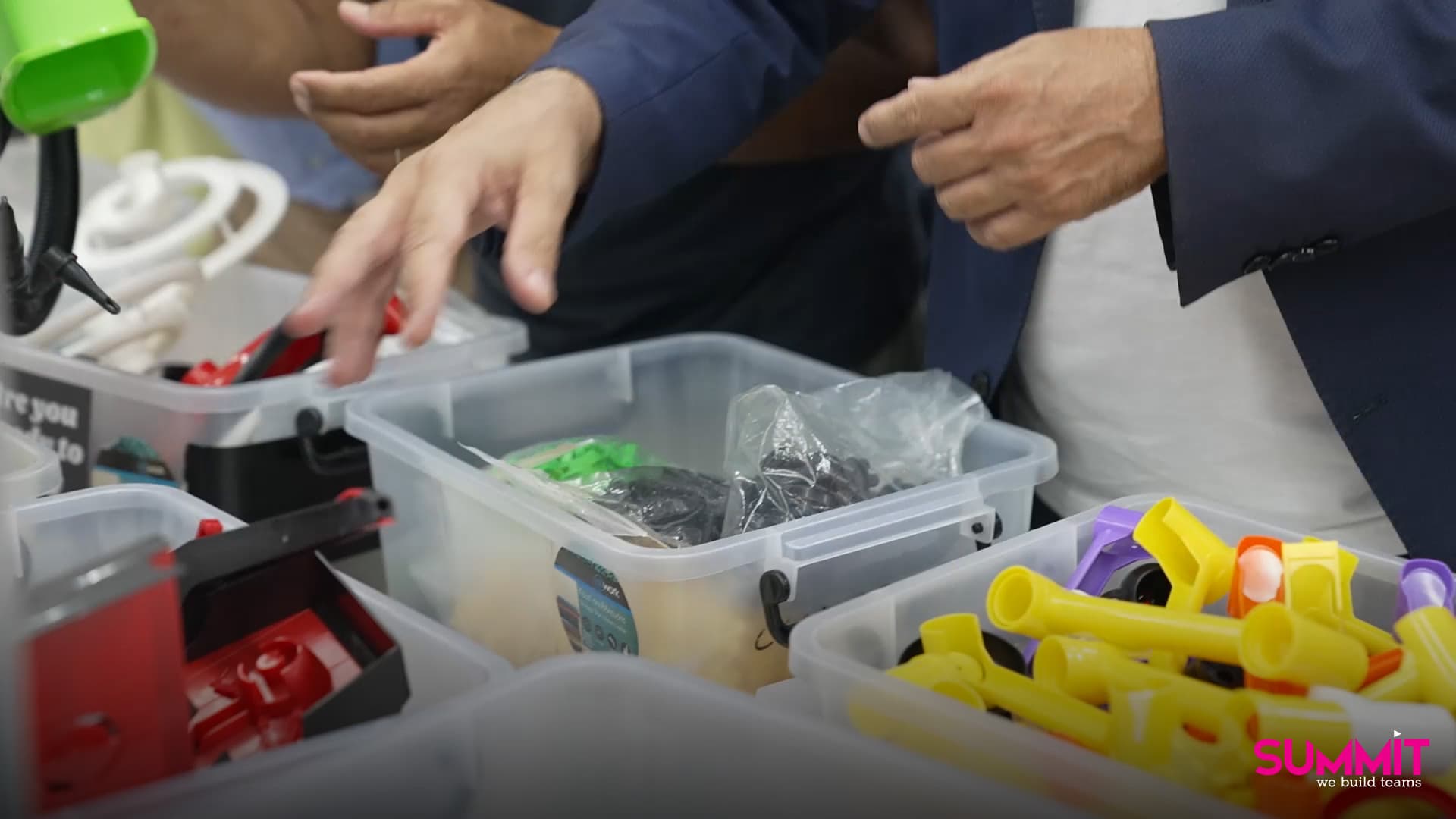
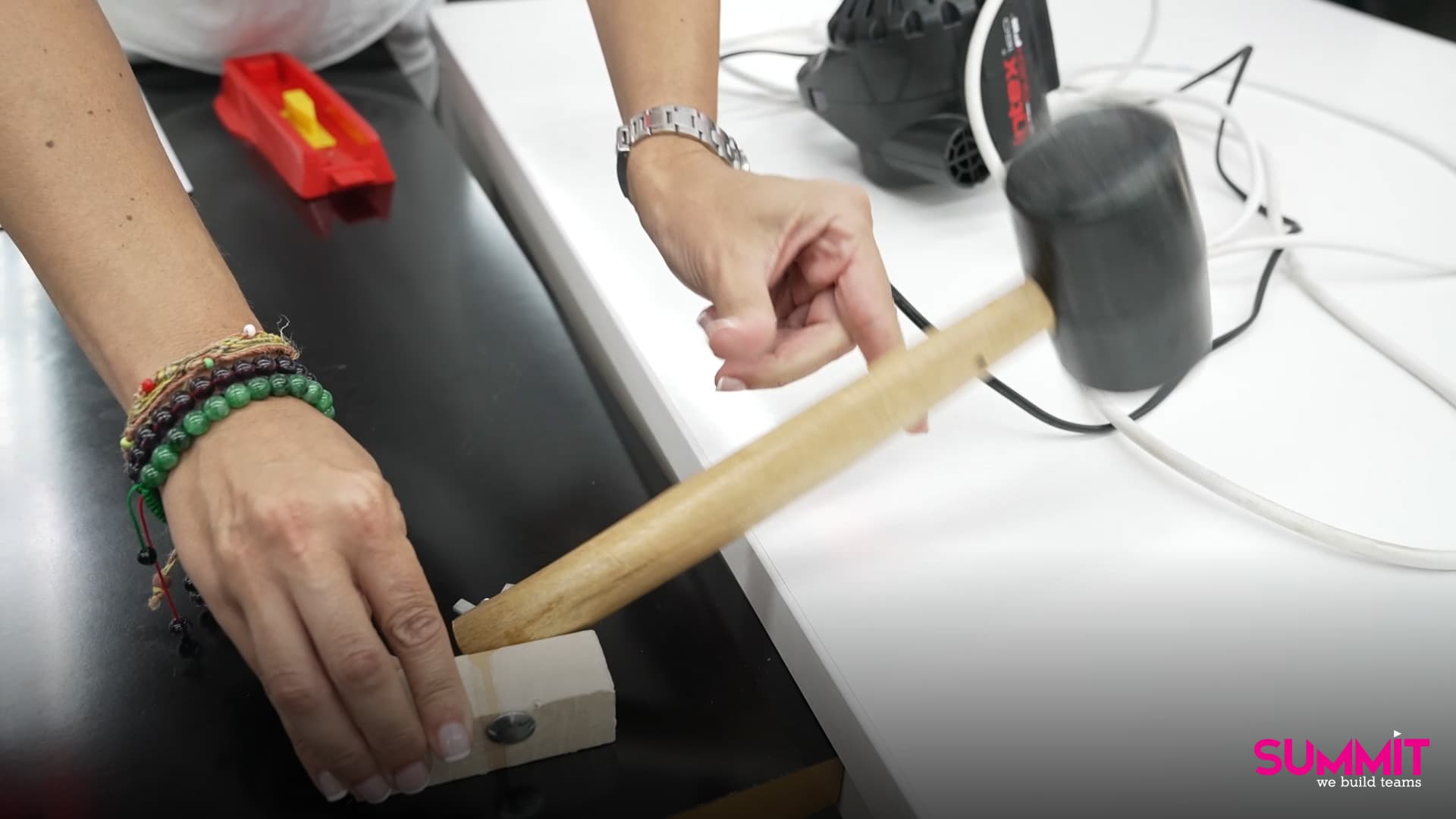
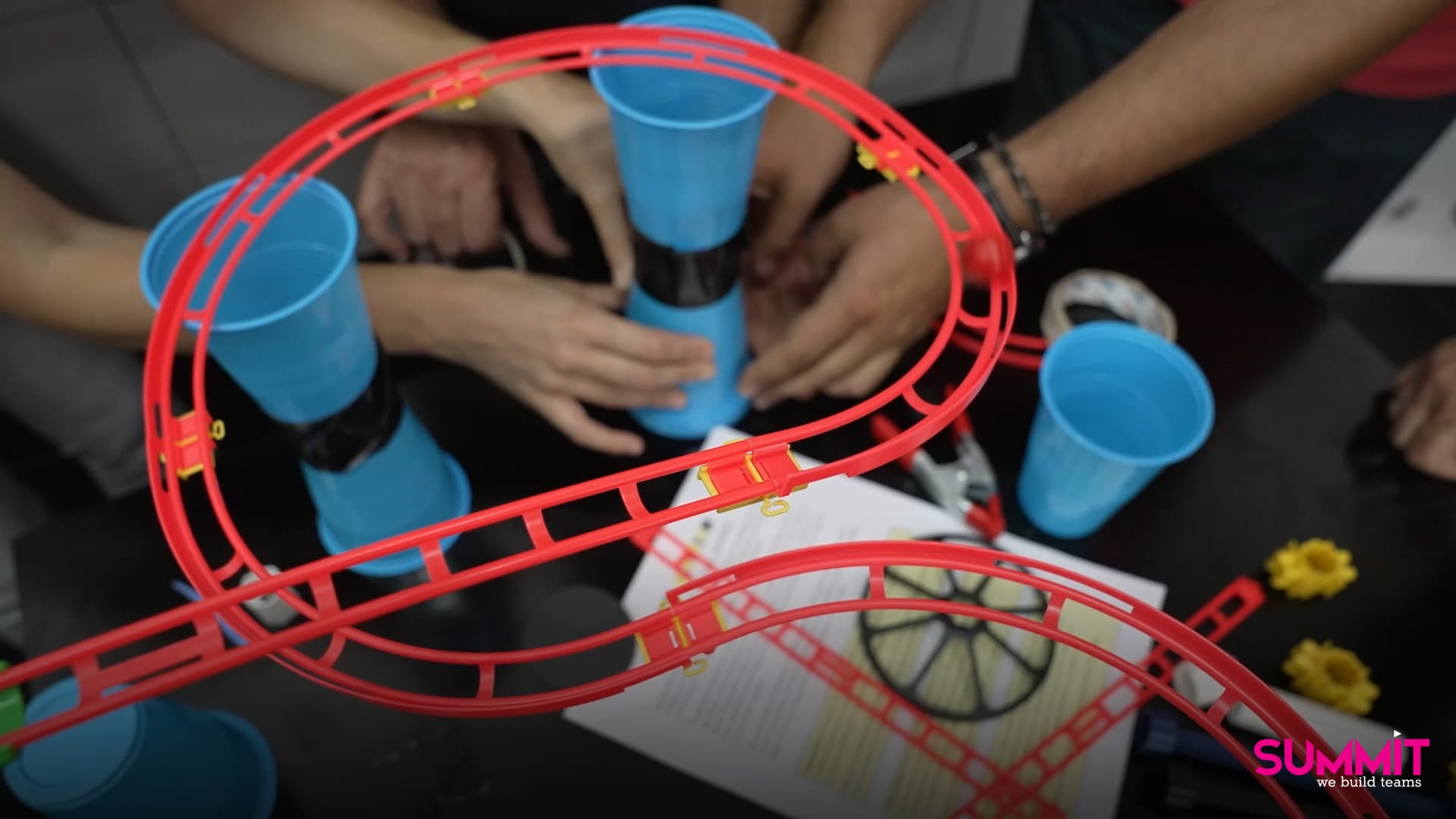
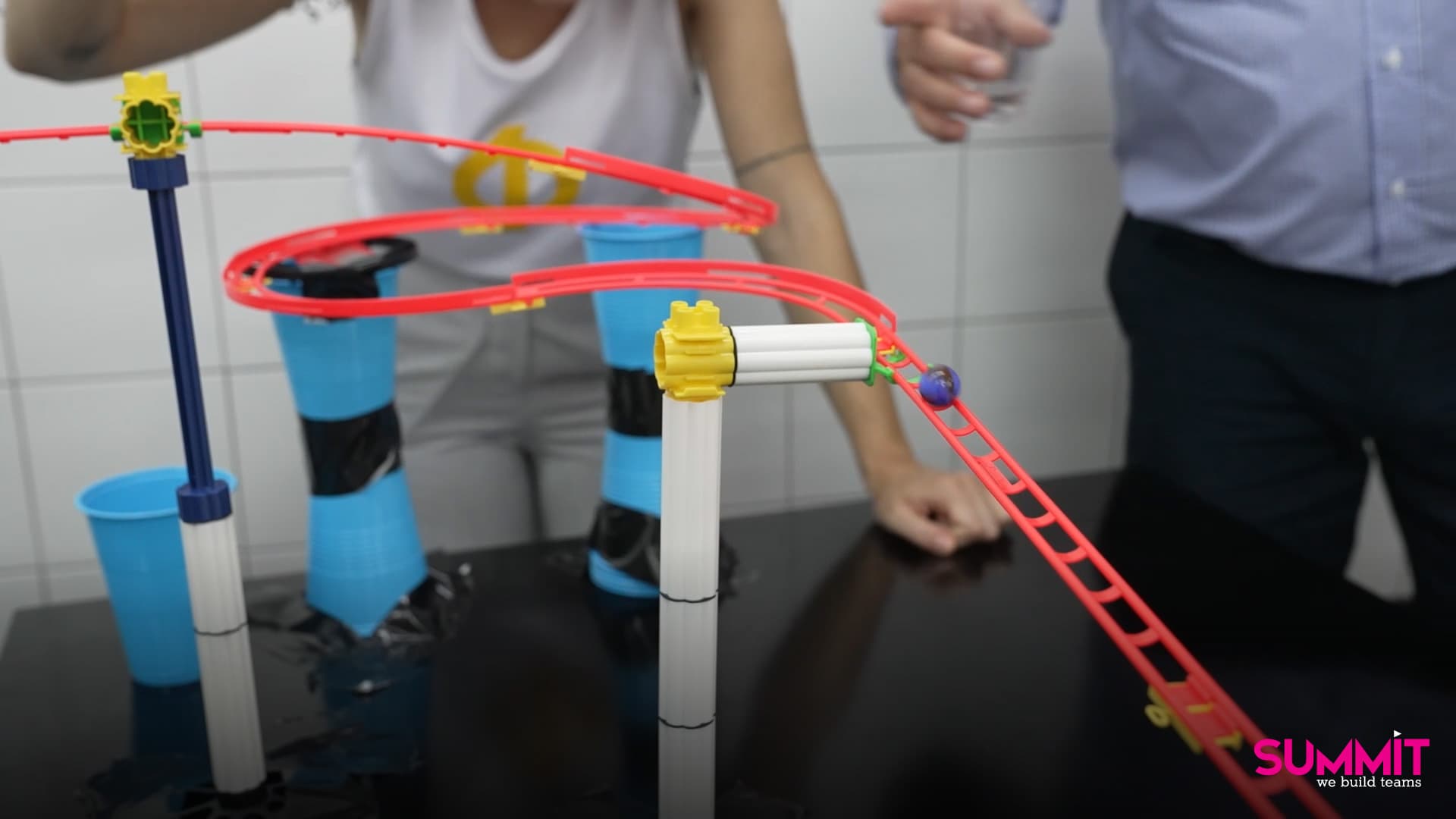
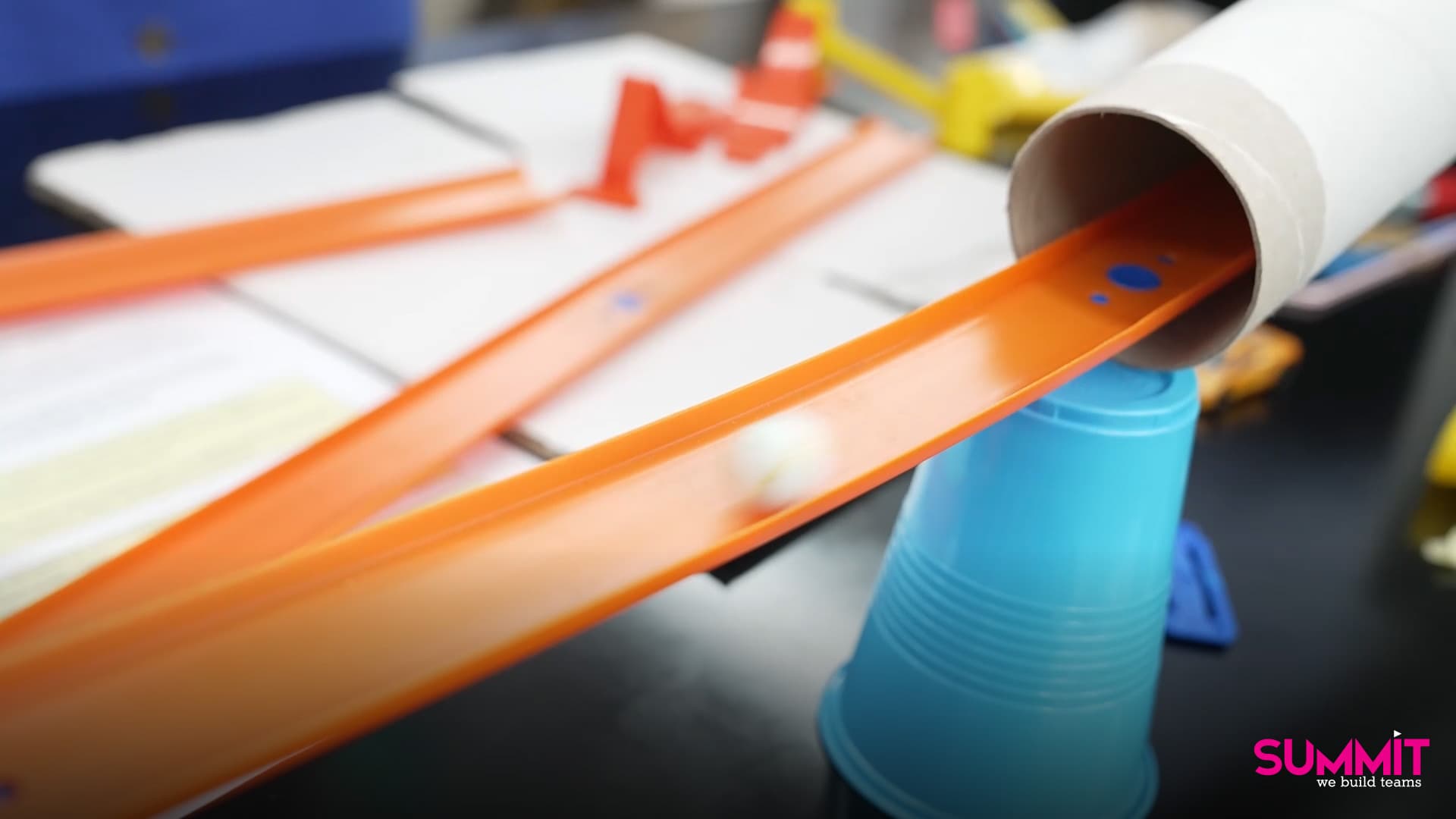
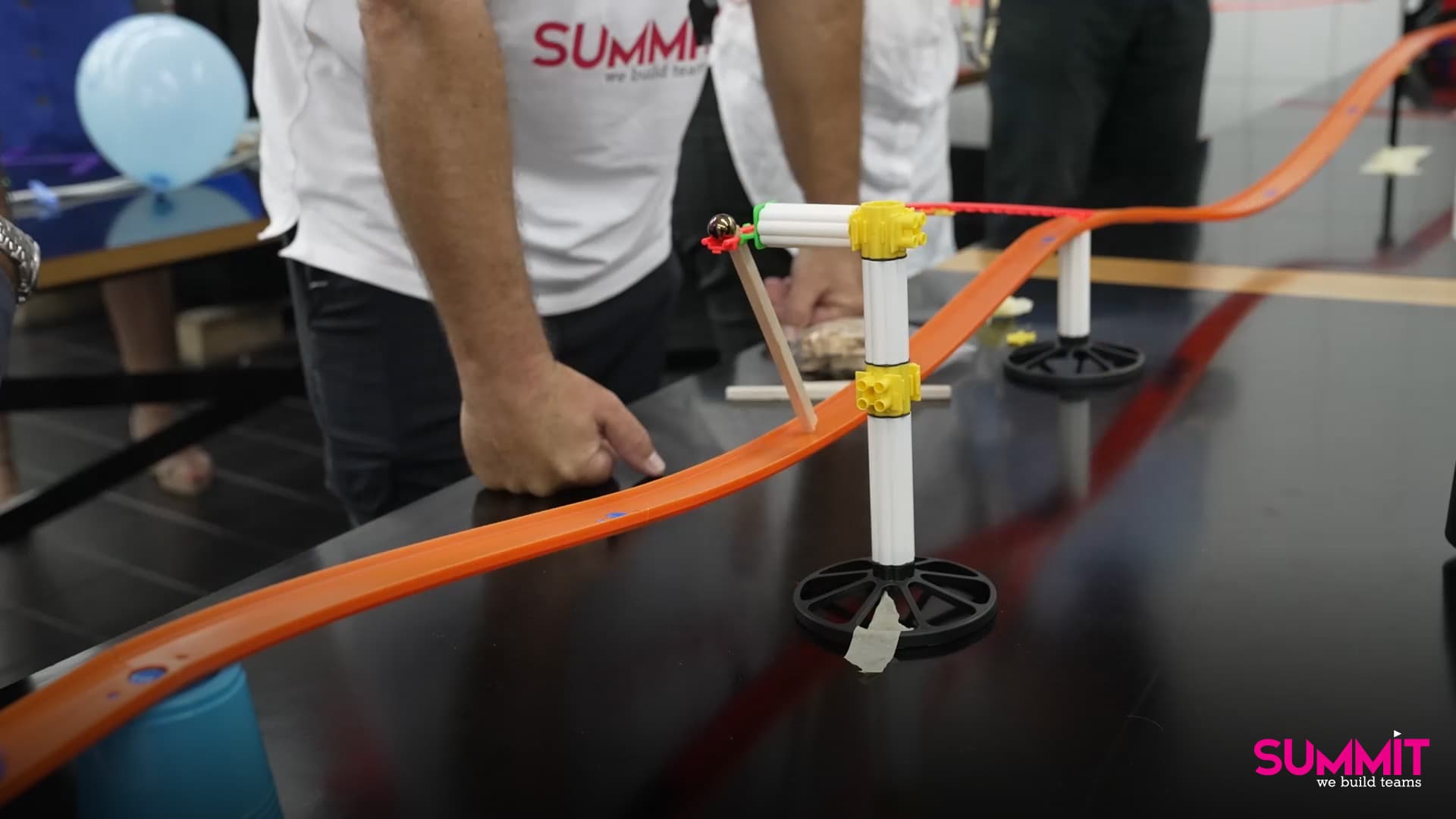
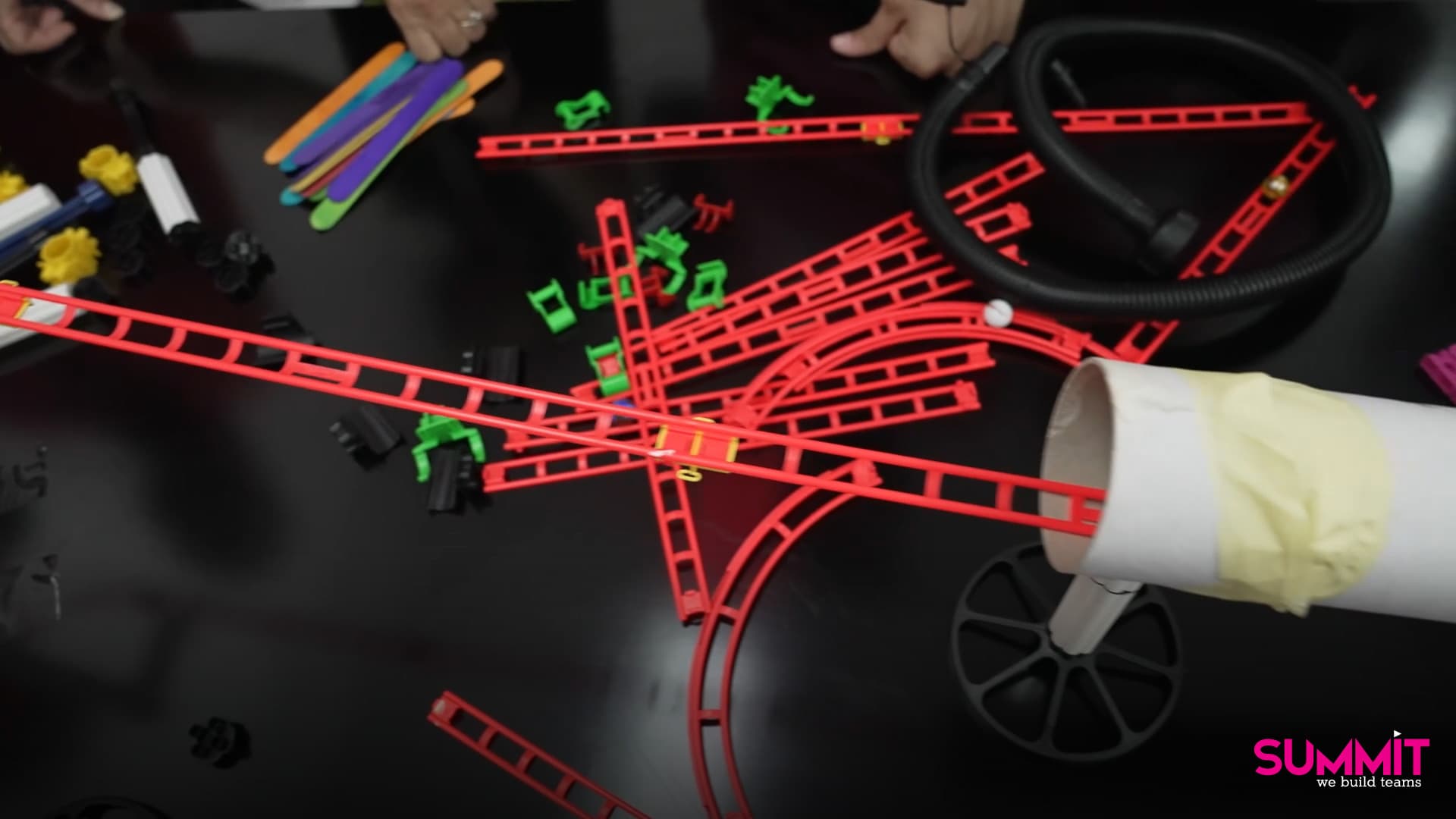
Working in teams and positioned in designated areas, participants design and construct a Rube Goldberg - style machine. Balls, wooden sticks, dominoes, chains, clothespins, tape, bottles, pipes, simple electrical devices, fluids, and more become the interconnected elements of a single system. Each action must trigger the next, creating a continuous flow of energy.
Once the chain reaction starts, no human intervention is allowed. The system must run on its own - from the first trigger to the final outcome.
This is not a challenge of speed or strength. It is a challenge of creativity, collaboration, communication, problem-solving, and adaptability. Teams must plan ahead, test assumptions, fail fast, adjust their design, and try again. Miscalculations are part of the process, often leading to negotiation with other teams for materials, reprioritization, and smarter coordination.
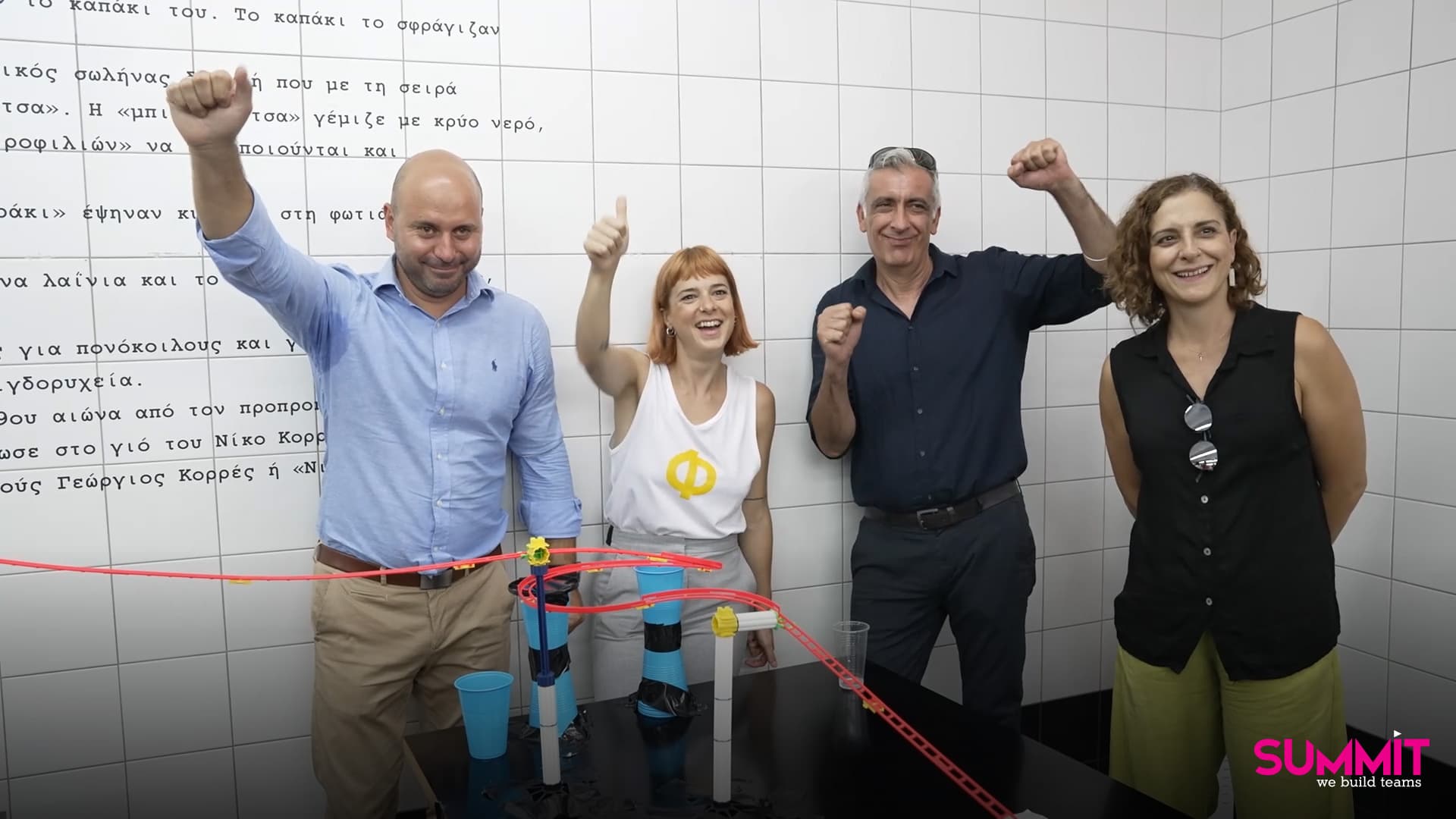
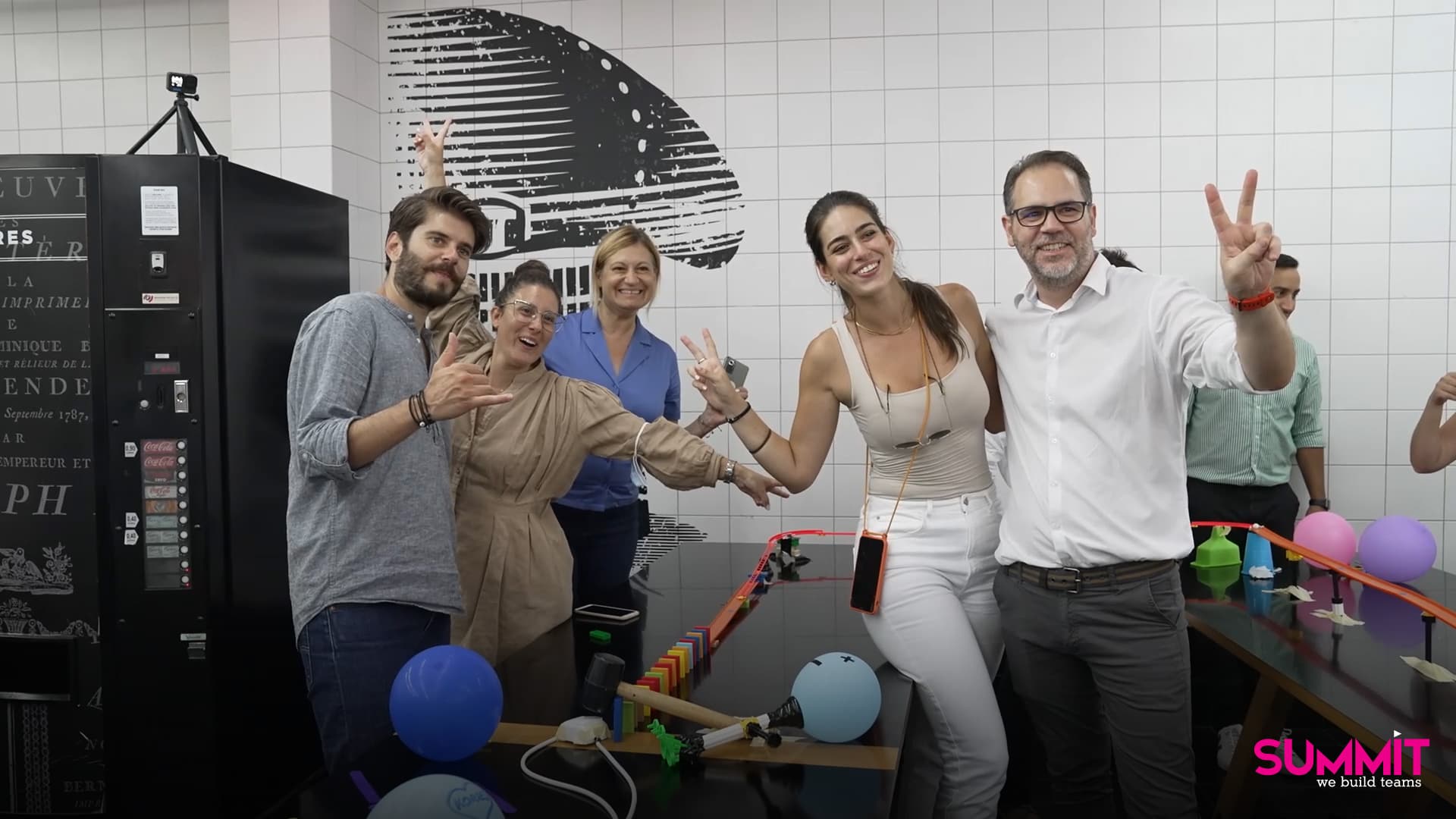
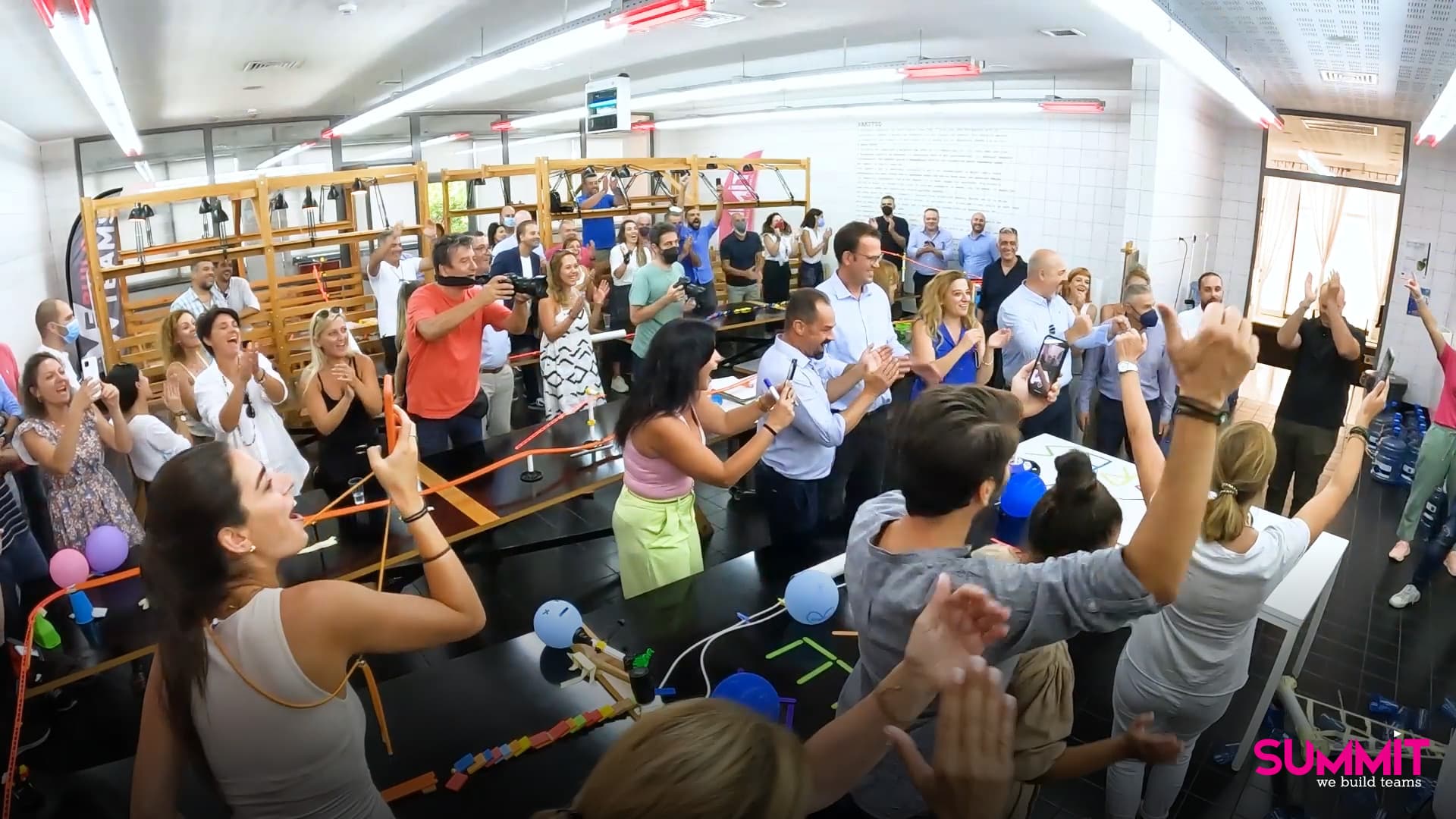
When construction time ends, the room comes alive: dominoes fall, fluids flow, balloons move, switches are pressed - and through a surprising and impressive chain of events, the final objective is achieved.
Beyond the spectacle, Chain Re-Action mirrors real business environments. Plans rarely work perfectly the first time. Unexpected obstacles appear. Success depends not on individual brilliance, but on how well the team listens, adapts under pressure, aligns roles, and works as one integrated system.
The key takeaway is clear: Results are created not by perfect plans, but by trust, flexibility, and collective ownership.
Business benefits
- Cross-Functional Collaboration: Highlights dependencies and strengthens teamwork across roles.
- Cleaner Handoffs: Improves coordination and reduces friction between sub-teams.
- Systems Thinking: Teams understand how one action impacts the whole system.
- Execution Rhythm: Builds discipline, timing, and consistency in delivery.
- Shared Accountability: Reinforces responsibility for collective results.